Solana, Ethereum, BNB Chain, Base or Robinhood Chain: Where Should You Launch a Token?
Compare the five networks DegenKit supports — token standards, gas tokens, wallets, explorers and available tools — before you choose where to launch.
 DegenKitOctober 25, 2026 · 5 min read
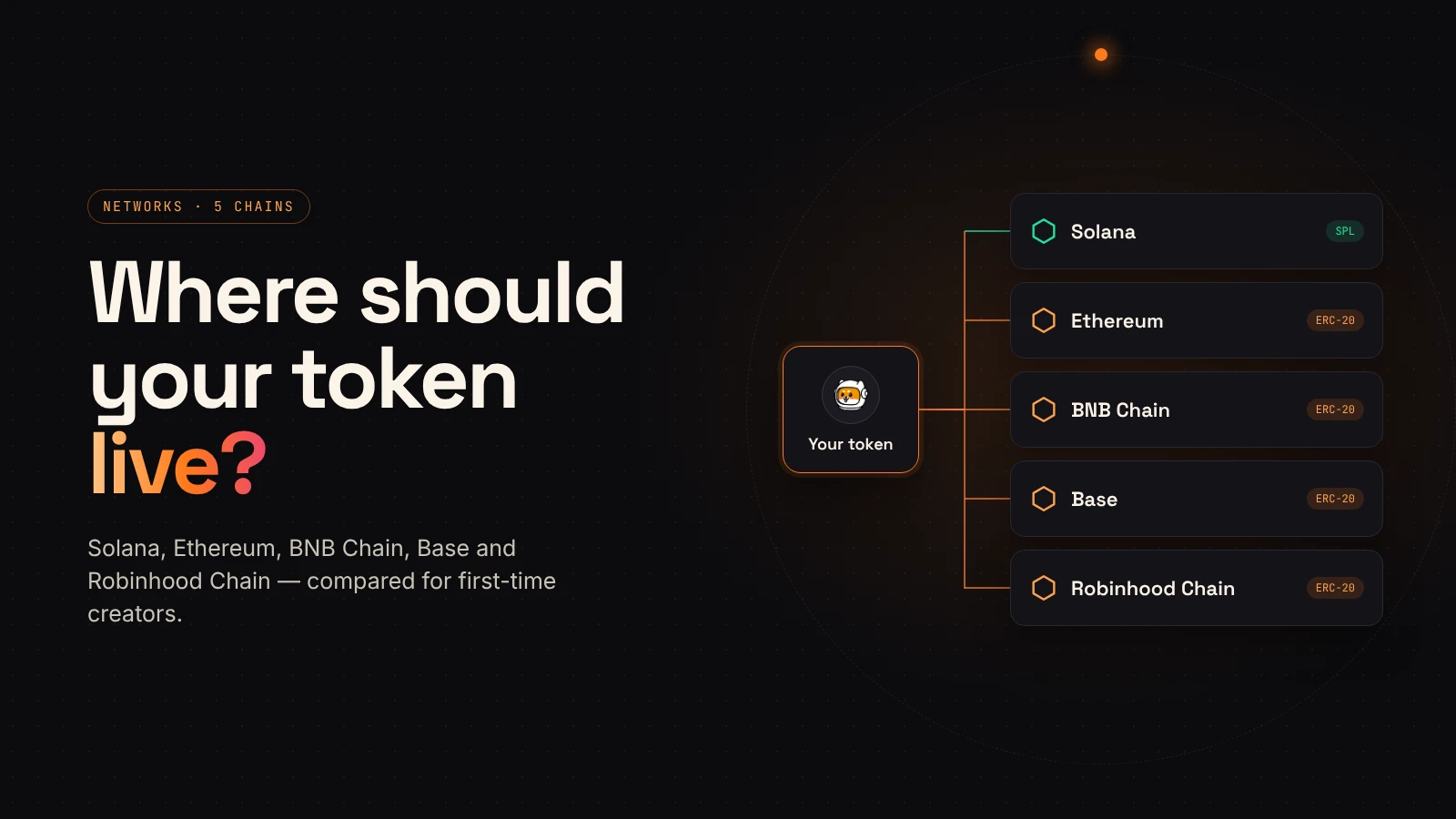
Choosing a network is one of the first decisions in a token launch, and one of the hardest to change later. A token created on one chain does not automatically exist on another. Your holders, wallets, explorers and trading venues all follow that first choice.
DegenKit currently supports five networks. This guide compares them on the points that matter for a new token, without claiming that one is best for everyone.
Start with your audience
Ask where the people you want to reach already hold wallets and trade. A community that lives in Solana wallets will find a Solana token easier to buy and track. A community already active on an Ethereum layer 2 will expect an ERC-20 token there.
Fees, speed and tools matter too, but a token in the wrong place is hard to fix with features.
Solana
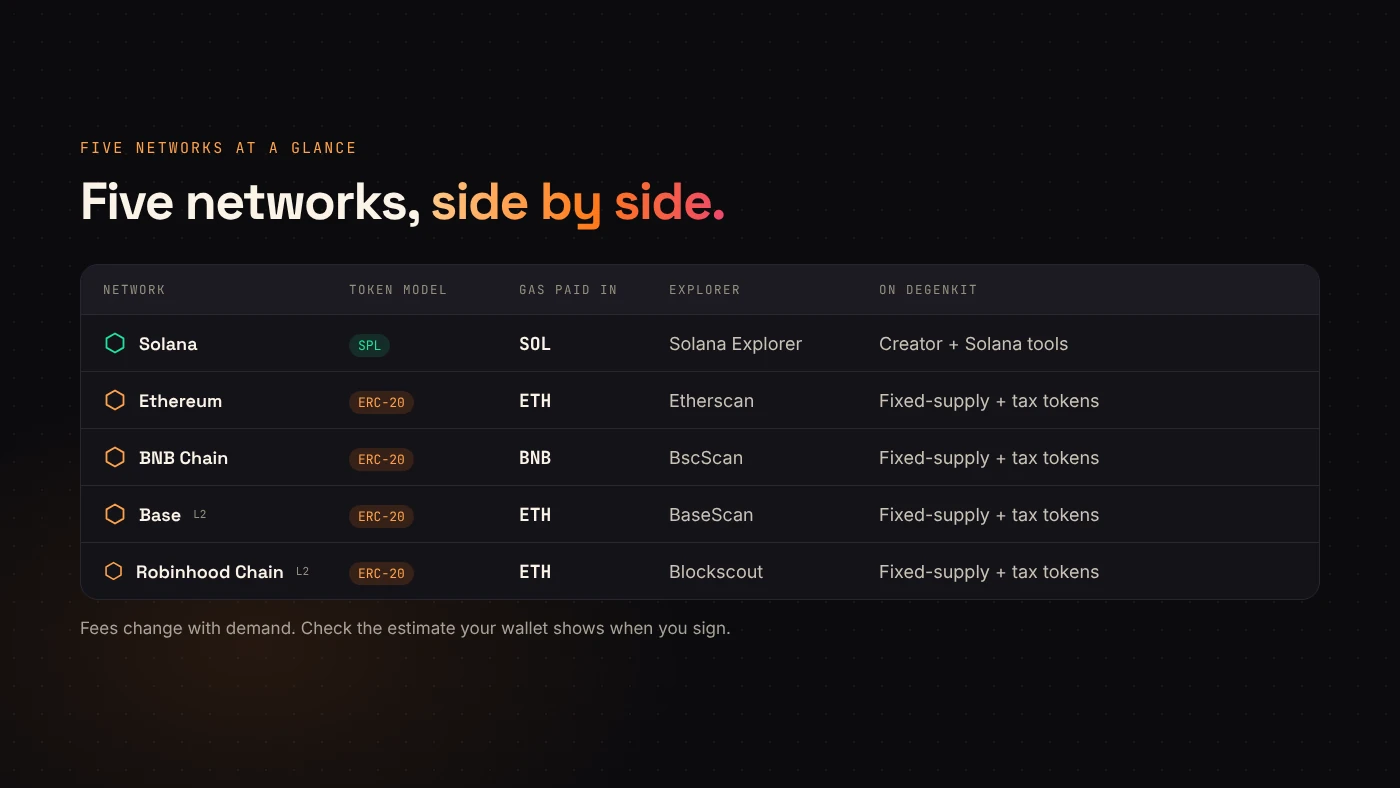
Solana tokens use the SPL Token program. People typically hold them in Solana wallets such as Phantom or Solflare, and pay network fees in SOL.
DegenKit's Solana creator uses 6 decimals by default, revokes the mint and freeze authorities, and creates locked metadata. Solana also has DegenKit's widest toolset today, from Airdrop and Multisender to Burn and Scanner.
Ethereum
Ethereum mainnet is the original home of the ERC-20 standard and has the deepest history of tooling and audits. Gas is paid in ETH. Fees on mainnet are usually higher than on layer 2 networks, which batch transactions to reduce costs.
BNB Chain
BNB Smart Chain tokens follow BEP-20, which BNB Chain describes as an extension of ERC-20 that is compatible with Ethereum smart contracts. Gas is paid in BNB, and tokens are checked on BscScan.
Base
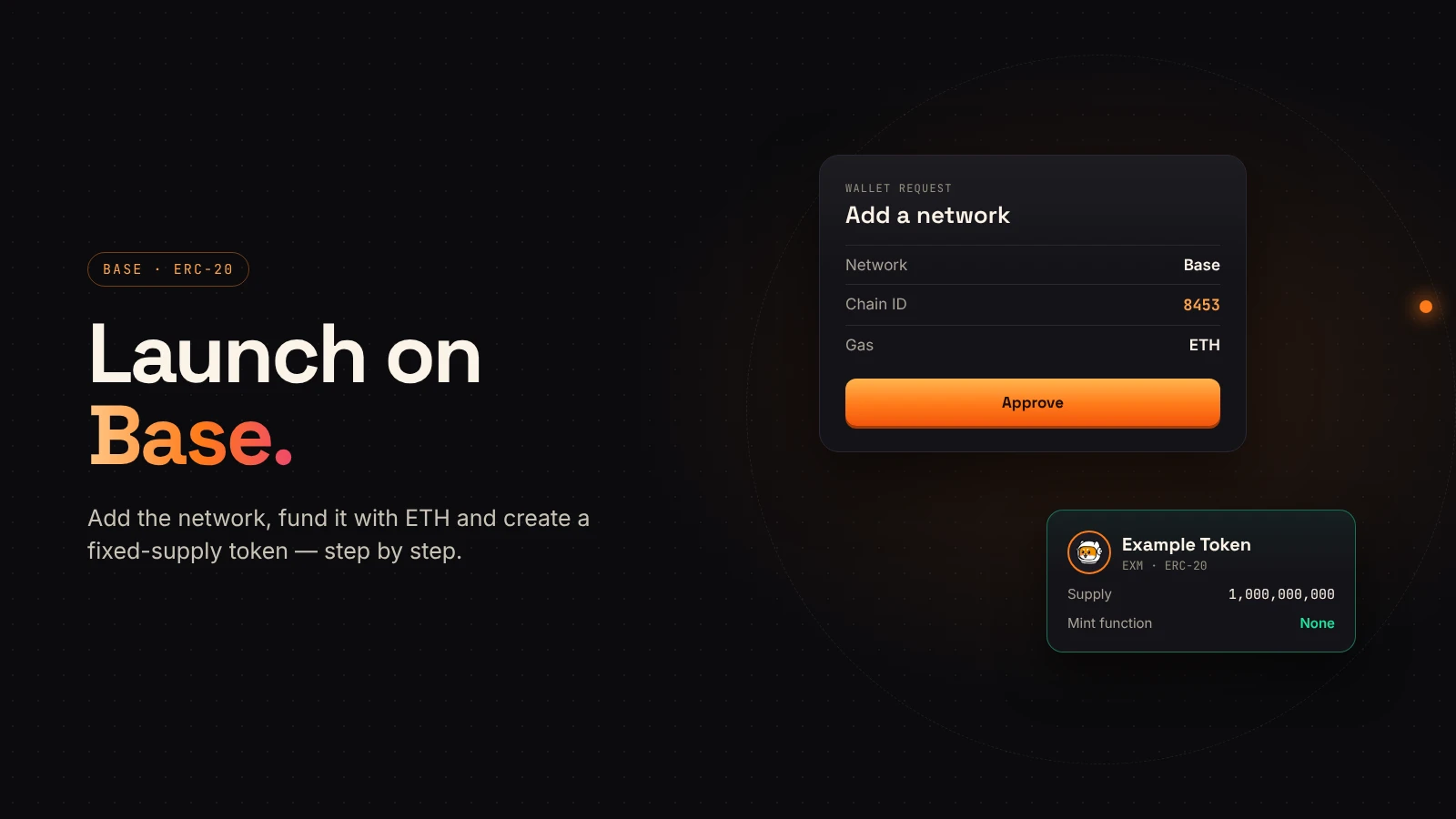
Coinbase describes Base as an Ethereum layer 2 built on the OP Stack, with ETH as its gas token. Tokens are ERC-20 and are checked on BaseScan.
Robinhood Chain
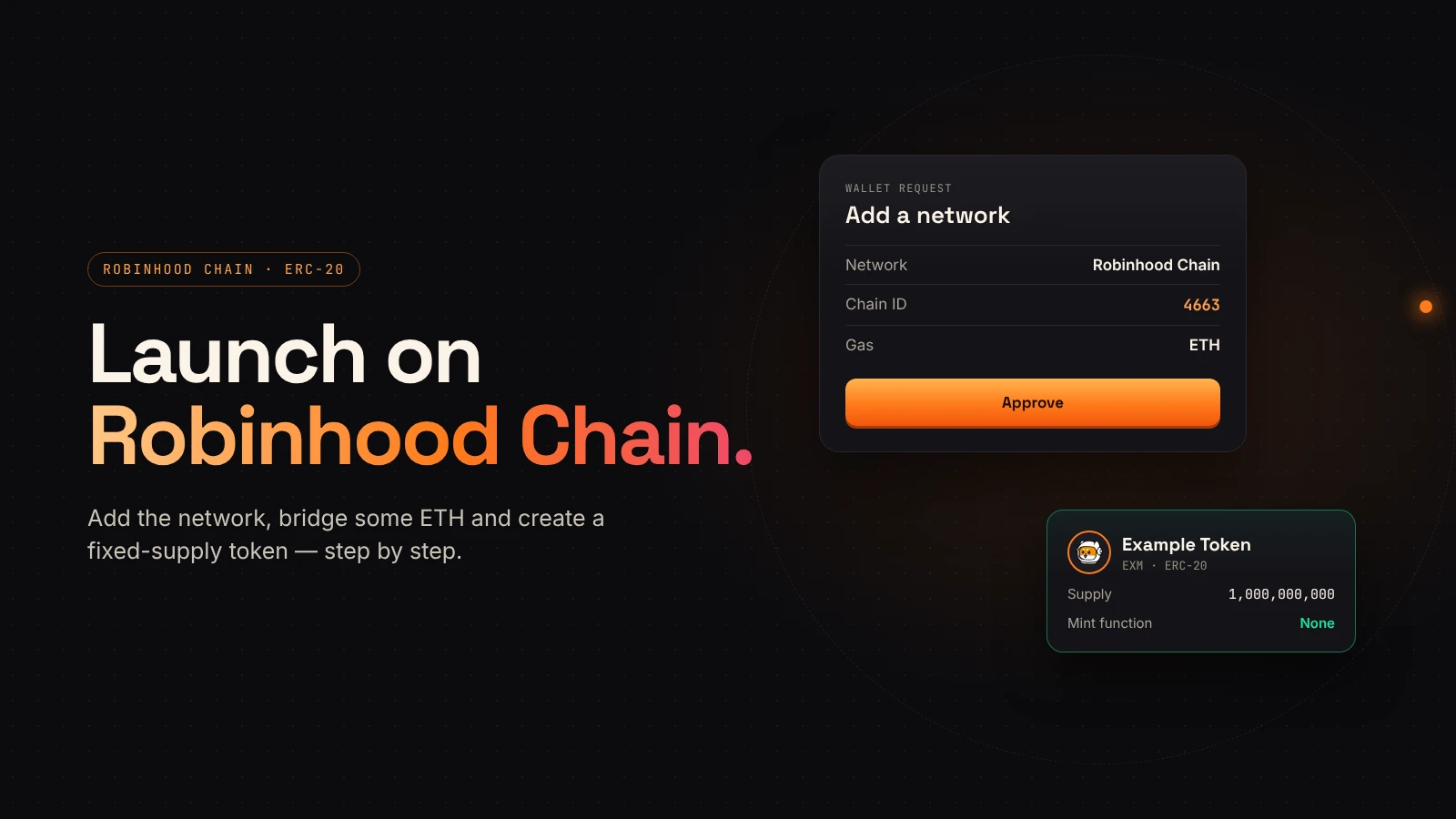
Robinhood launched the Robinhood Chain public mainnet in July 2026. Its developer documentation describes it as an Arbitrum layer 2 built on Ethereum, with chain ID 4663, ETH for gas and a Blockscout explorer. Many wallets do not list it yet, so DegenKit offers to add and switch the network for you.
What the EVM networks share
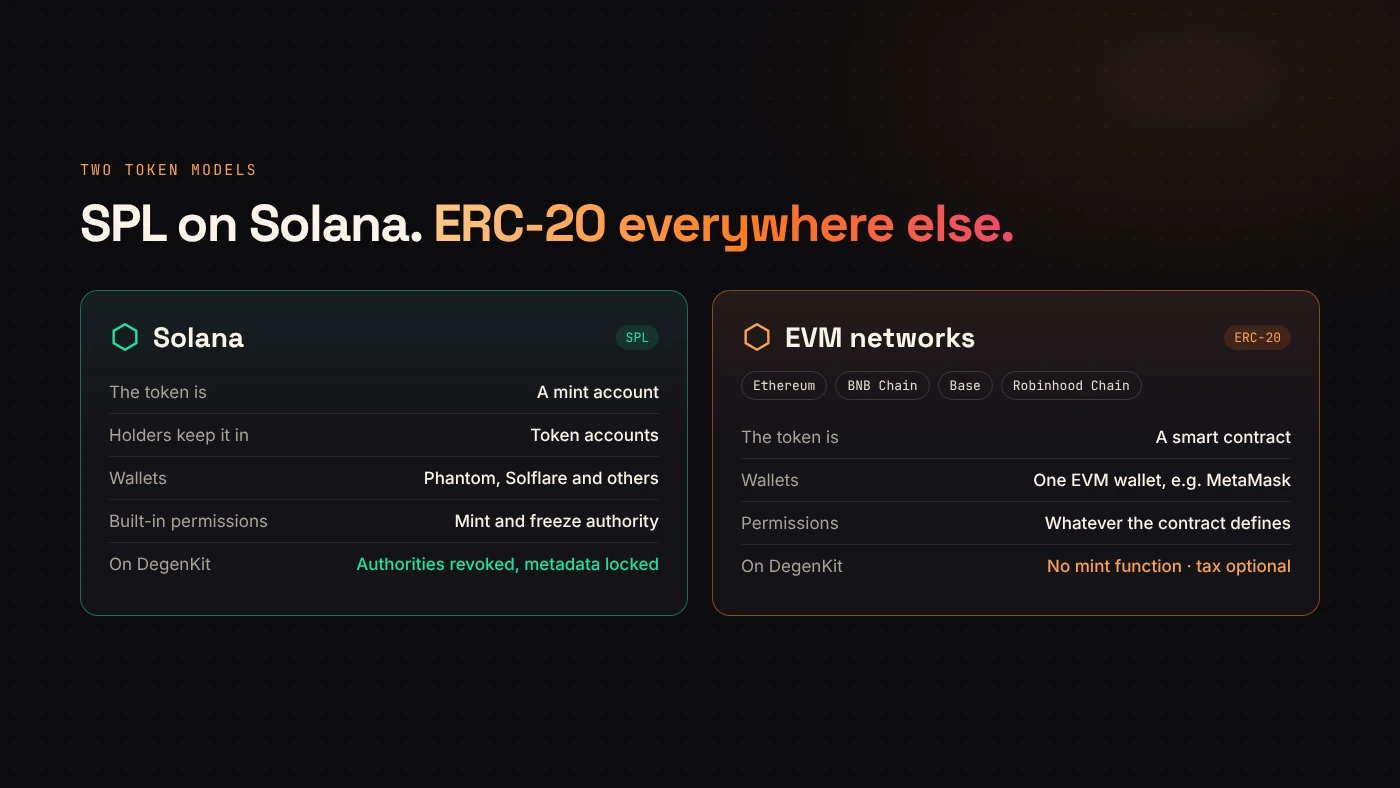
Ethereum, BNB Chain, Base and Robinhood Chain all run Ethereum-compatible contracts, use MetaMask-style wallets, and produce ERC-20-style tokens. On DegenKit, these tokens have a fixed supply created in one transaction, 18 decimals and no mint function.
Shared standards do not mean shared tokens. A token on Base and a token with the same name on Ethereum are separate contracts with separate holders and liquidity.
Tools available today
Tool coverage differs by network, and it can change. As of October 2026:
- Solana: Token Creator, My Tokens, Authorities, Update Metadata, Burn, Airdrop, Multisender, Scanner and a vanity address generator.
- Ethereum, BNB Chain, Base and Robinhood Chain: Token Creator, Tax Token and My Tokens. More tools are listed as coming soon.
If you plan to distribute tokens to many wallets, scan other tokens, or burn part of the supply with DegenKit, Solana currently covers more of that workflow.
A quick way to decide
Answer these questions before opening a creator:
- Which wallets does your audience already use?
- Where do you expect trading to happen, and is that venue available on the network?
- Do you need a buy or sell tax? On DegenKit, Tax Token is available on the EVM networks.
- Which tools will you need after launch, such as airdrops or burns?
- Can you explain the network choice in one sentence to a new holder?
If two networks tie, pick the one your community can verify most easily in its usual explorer.
Can I move a token to another network later?
Not directly. Moving value between chains requires a bridge or a new token, and each option adds its own contracts, risks and explanations for holders. Treat the first network as a long-term decision, and choose it before you publish an address anywhere.
Wrap up
There is no universal best chain. The right network is the one where your holders already are, where your planned trading venue exists, and where the tools you need are available. Compare networks and start on DegenKit once you have answered those questions.